
How to Double the Lifespan of Your Commercial Pavement
Extending the operational life of paved surfaces requires planning, quality materials, and proactive care. Property managers who prioritize maintenance protect structural investments while ensuring safe driving conditions. Paved assets endure constant traffic and weather changes that degrade underlying infrastructure. Investing in quality commercial paving keeps surfaces resilient against wear, lowering repair costs and preventing structural failure.
Select High-Quality Asphalt Materials
Choosing proper baseline materials sets the foundation for long-term pavement durability. Asphalt and concrete offer distinct benefits based on climate conditions and traffic loads. Flexible asphalt absorbs stress effectively and performs well in colder environments where freeze cycles cause ground movement. Selecting superior materials for commercial paving projects ensures structural surfaces adapt to temperature changes without developing fractures.
Material quality directly influences how well paved surfaces withstand heavy daily usage over extended periods. High-grade asphalt mixtures incorporate specialized polymers that boost flexibility and resist deformation. Standard mixtures lacking these enhancements suffer from premature rutting and cracking, leading to frequent repairs. Investing in higher-quality initial materials reduces labor expenses and keeps surfaces stable.
Sourcing materials from reliable suppliers is vital when planning durable construction projects. Dependable suppliers maintain strict quality standards and deliver consistent material blends that satisfy industry specifications. Evaluating weather patterns, soil stability, and expected vehicle weight helps engineers choose optimal aggregate blends. Investing in top-tier supplies upfront prevents premature wear and delivers dependable performance.
Apply Proper Installation Techniques
Thorough site preparation forms the foundation of every successful paving project. Engineers evaluate existing soil conditions, slope angles, and subsurface drainage before placing base materials. Inadequate subgrade preparation causes uneven settlement, erosion, and surface collapse under heavy loads. Establishing a compacted foundation allows top layers to support heavy traffic without shifting or cracking.
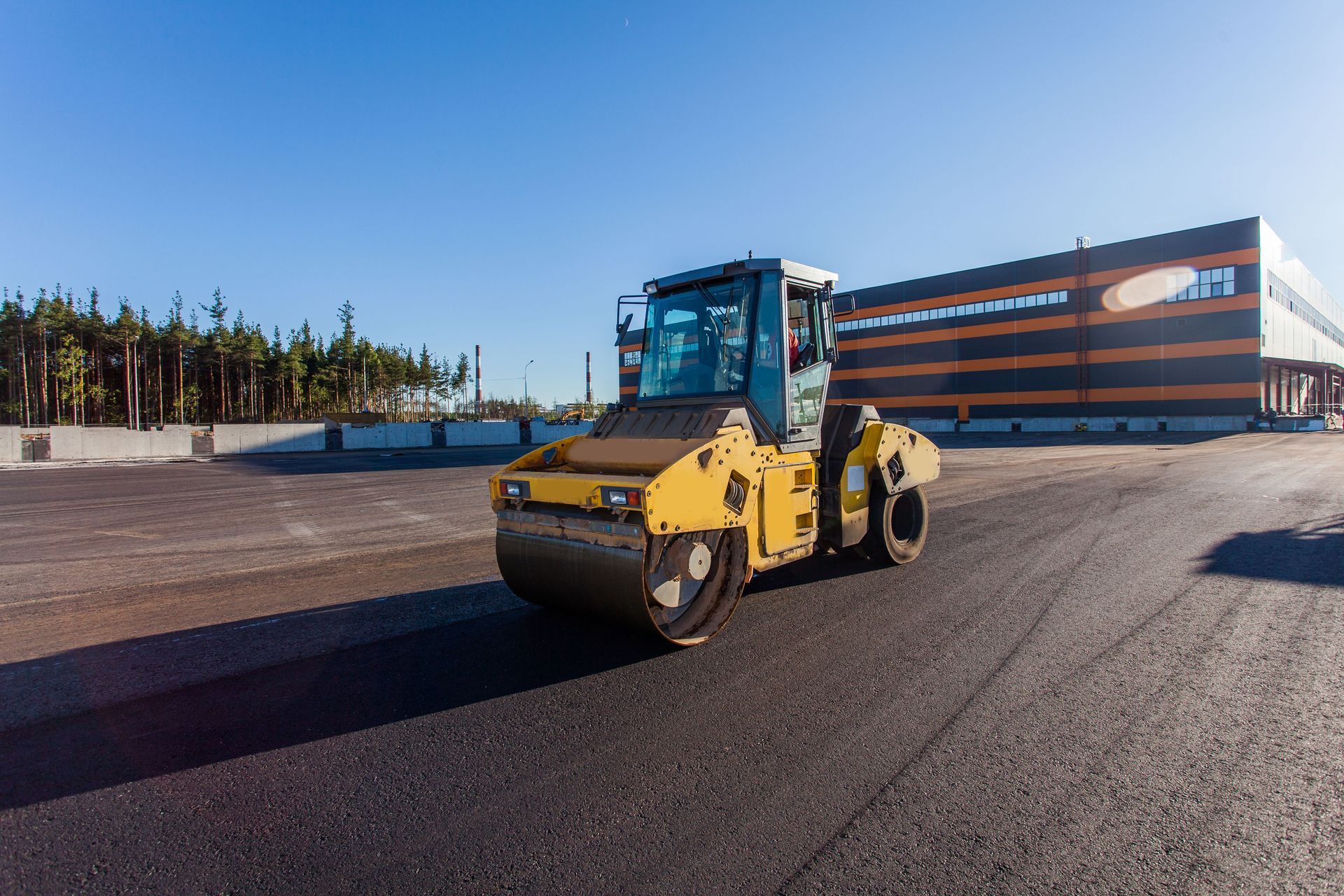
Adhering to strict construction standards during installation is vital for long-term surface health. Following best practices during commercial paving installation, such as maintaining proper asphalt temperatures and applying precise compaction force, prevents early structural failure. Precise grading ensures water moves off surfaces quickly rather than pooling. Proper curing times must also be respected, as rushing traffic onto fresh surfaces weakens binder strength.
Accommodating traffic load requirements during design prevents structural distress under continuous use. High-volume transit zones and heavy vehicle areas require reinforced bases or thicker application depths to distribute weight. Quality control measures during construction, including depth monitoring and density testing, verify that every section meets structural standards. Systematic quality assurance prevents premature degradation and protects supporting infrastructure.
Perform Routine Surface Maintenance
Establishing a routine inspection schedule allows property owners to identify vulnerabilities before they become major repairs. Regular walkthroughs help facility managers detect early signs of distress, including hairline cracks, edge unraveling, and minor drainage obstructions. Early detection enables targeted repairs that stop water penetration, preserving underlying base material and extending useful pavement lifespan.
Prompt crack filling and surface sealing are essential components of an effective preventative maintenance strategy. Unsealed cracks permit moisture to seep beneath the surface, weakening the subbase and causing severe pothole formation during freeze cycles. Applying high-performance sealants creates a protective barrier against water intrusion, oil spills, and oxidation. Timely sealing operations preserve structural integrity and maintain a clean appearance.
Routine cleaning practices play an important role in preserving surface appearance and functional integrity. Accumulated dirt, gravel, and standing debris trap moisture against the binder, accelerating surface wear. Chemical leaks and petroleum spills break down asphalt binders, softening the surface layer. Performing regular sweeping keeps paved areas functional and visually appealing, protecting overall investment through simple care.
Protect Pavement From Environmental Wear
Winter weather poses a severe threat to paved surfaces through frost action and de-icing chemicals. Freeze-thaw cycles force water inside minor cracks to expand, widening surface fractures and destabilizing base layers. Heavy snowplow blades can also gouge surfaces if operators fail to use proper blade heights or rubber edges. Developing a tailored winter management strategy reduces mechanical damage and shields surfaces from corrosive melting agents.
Summer heat presents a different set of challenges, as high temperatures soften asphalt binders and make surfaces susceptible to tracking. Prolonged exposure to ultraviolet radiation oxidizes binder material, changing black surfaces into brittle gray areas prone to raveling. Applying UV-resistant protective coatings mitigates heat absorption and shields binder compounds from degradation. Managing extreme temperatures protects commercial paving structures and maintains surface flexibility during hot summer months.
Managing surface water runoff is critical for preventing localized erosion and subbase softening. Poorly positioned drainage channels allow water to pool along edges, eroding supporting soil layers and causing edge collapse. Installing permeable channels, clearing storm drains, and adjusting surface slopes keeps water moving away from traffic areas. Proactive water management prevents costly structural damage and ensures consistent surface performance.
Adopt Advanced Paving Technologies
Technological advances continue to transform the paving industry, offering modern materials that enhance durability and lower life-cycle costs. Nanoparticle surface coatings, polymer-modified binders, and flexible mesh reinforcements help paved surfaces handle extreme load stresses without cracking. Integrating sustainable options, such as warm-mix asphalt and recycled aggregates, reduces environmental impact while maintaining high performance standards across demanding properties.
Smart monitoring systems provide real-time visibility into surface condition, helping facility teams transition from reactive fixes to predictive care. Embedded sensor technology tracks internal moisture levels, surface temperature fluctuations, and structural strain over time. Data indicates significant expansion across the industry, and according to GlobeNewswire, the global market for asphalt pavers is projected to reach USD 6.90 billion by 2029. Integrating smart systems into commercial paving allows operators to track asset health accurately and plan repairs efficiently.
Advanced non-destructive diagnostic tools, such as Ground Penetrating Radar, offer deep insight into subsurface conditions without damaging top layers. Radar scans reveal hidden voids, subbase moisture accumulation, and layer thickness variations long before surface damage becomes visible. Identifying underground anomalies early enables targeted stabilization, preventing unexpected surface collapse and minimizing overall maintenance expenditure.
Train Skilled Paving Professionals
Working with well-trained construction crews ensures installation and repair procedures adhere to rigorous industry standards. Skilled equipment operators understand the subtle nuances of asphalt compaction, mat temperature control, and joint construction. Inadequate crew training leads to common defects such as poor seam bonding, improper compaction, and uneven surface depth. Investing in professional workforce training guarantees higher execution quality on every project.
Continuous education keeps construction specialists updated on evolving industry technologies, safety protocols, and application methods. Regular participation in technical workshops and certification programs reinforces best practices across project teams. Working with skilled crews ensures commercial paving is built to last, reducing jobsite errors and improving finished quality. Knowledgeable workers complete projects efficiently while maintaining a safe working environment.
Active engagement in professional associations and industry conferences fosters knowledge sharing and continuous improvement. Access to expert insights, technical studies, and emerging construction trends enables contractors to adopt superior techniques on site. Well-trained, accredited teams deliver reliable performance, helping property managers maximize surface longevity. Prioritizing ongoing professional development ensures installation and maintenance methods remain effective, modern, and aligned with industry standards.
Investing in long-term surface protection yields substantial financial savings and preserves property value over time. By taking structured steps today, facility managers can eliminate unexpected repair costs and ensure smooth driving conditions across their properties. Partner with our team at Asphalt Solutions, Inc. today to implement a comprehensive maintenance strategy that will double the lifespan of your
commercial paving.
Share On: