
What to Expect During a Commercial Asphalt Paving Project
When you run a business or manage an industrial facility, the condition of your parking lot and walkways speaks volumes. A dilapidated parking lot can deter customers, create safety hazards, and diminish the overall appeal of your property. If you are preparing to upgrade your facility, you might be wondering what exactly happens during commercial asphalt paving. Undertaking this improvement is a significant investment in your property's future, functionality, and curb appeal. Because property managers are often busy handling daily operations, having a clear understanding of the pavement installation process can alleviate stress and help you coordinate better. Knowing the step-by-step phases of the job ensures you can prepare your staff, notify visitors, and plan around the brief disruption. In this guide, we will walk you through the standard phases of commercial asphalt paving, giving you the knowledge you need to navigate the transformation with confidence.
Evaluating the Site and Planning
The very first step of any successful project involves a thorough assessment of the existing conditions. Before heavy machinery arrives at your property, professionals will conduct a detailed site inspection to understand the unique requirements of your facility. During this evaluation, contractors look for signs of severe damage, underlying structural failures, drainage issues, and areas requiring specialized attention, such as integrating commercial concrete for sidewalks, curbs, or dumpster pads. This initial evaluation sets the foundation for the entire job. It allows project managers to determine the scope of work, establish a timeline, and identify potential challenges that could arise once physical labor begins. Furthermore, this phase is critical for safety planning and logistics. The team will figure out how to route traffic, stage their equipment, and minimize disruptions. Proper planning ensures that the commercial asphalt paving project proceeds efficiently, safely, and exactly according to schedule.
Removing the Old Pavement Surface
Once the evaluation is complete and the plan is in place, the physical work begins with demolition and removal. For a true replacement, the existing, failing pavement must be excavated and removed from the site. Heavy equipment, including bobcats, front loaders, and dump trucks, is brought in to tear up the old materials. The beauty of this process is the sustainability of the materials being removed. According to the European Asphalt Pavement Association, old asphalt material is 100% recyclable. This means the debris hauled away from your parking lot will likely be crushed and repurposed for future infrastructure projects, reducing the environmental footprint of your upgrade. The removal phase can be noisy and messy, but it is necessary to create a clean slate. Any debris, old commercial concrete chunks, and compromised soil are hauled away to reveal the bare earth, ensuring that the new commercial asphalt paving has a structurally sound base.
Grading the Foundation for Drainage
With the old surface cleared, the focus shifts to the most critical, yet often unseen, component of any pavement: the foundation and grading. Water is the natural enemy of any paved surface, making proper drainage absolutely vital to the longevity of the lot. The sub-base must be graded and sloped precisely so rainwater naturally flows away from the center of the pavement and toward designated catch basins or run-off areas. Contractors utilize advanced laser-guided technology and heavy graders to contour the earth. Once the proper slope is achieved, a new aggregate sub-base is installed and compacted. This sub-base provides the structural support needed to bear the weight of heavy vehicles, delivery trucks, and constant traffic. If this foundational layer is not meticulously prepared, the surface will eventually shift and sink. For premium commercial asphalt paving, investing time in perfecting the sub-base ensures the highest level of durability against the harsh elements.
Laying the New Asphalt Material
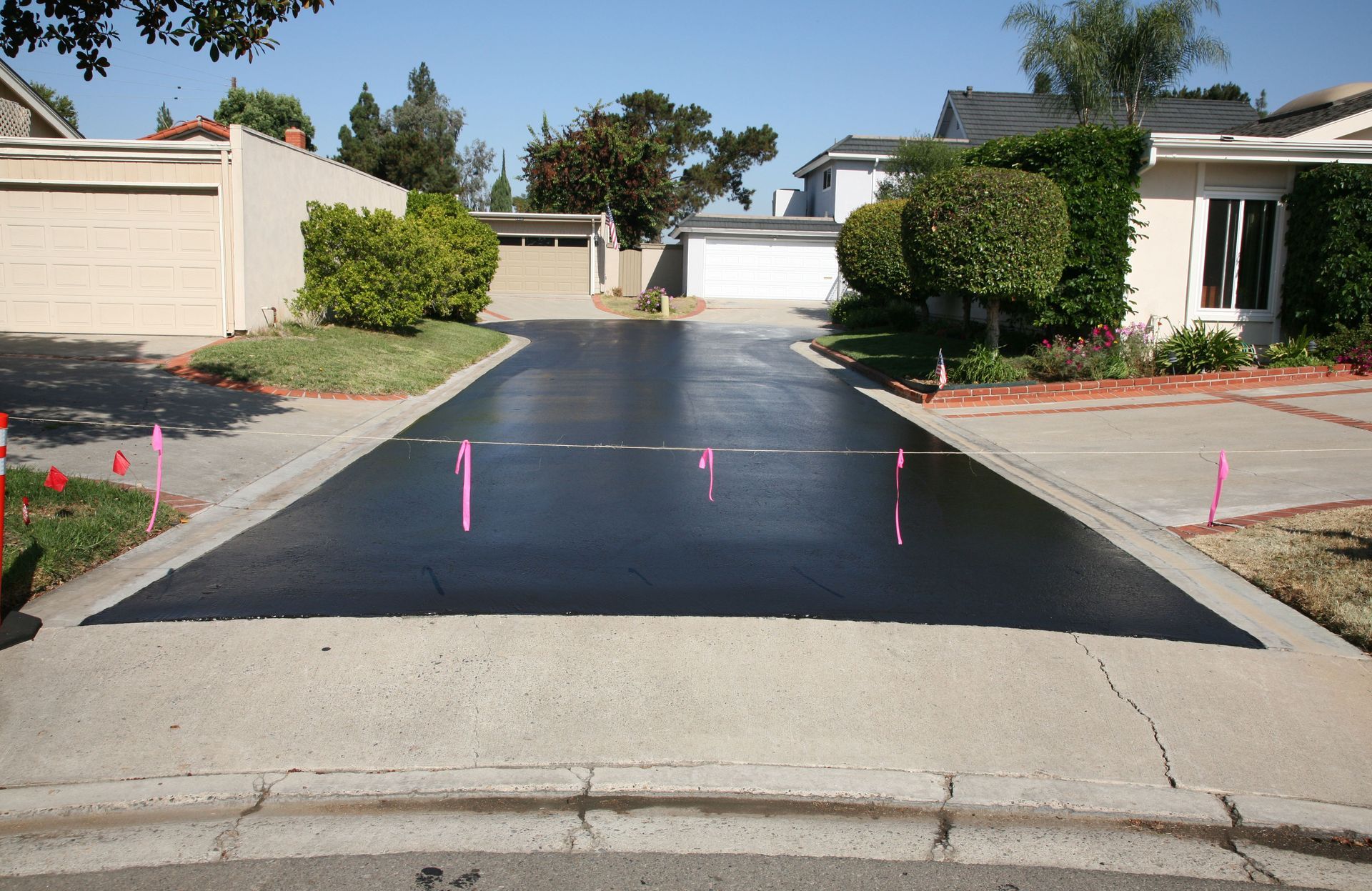
After the sub-base has been thoroughly prepped, graded, and approved, the exciting phase begins: laying the fresh pavement. Hot mix asphalt is transported to the site in specialized dump trucks that keep the material at optimal temperatures. It is then fed into a paving machine, which spreads the material evenly across the prepared foundation. Depending on the specific load requirements of your property, the material may be applied in multiple layers. A base course is often laid first to provide structural integrity, followed by a smoother surface course designed to withstand weather and tire friction. The temperature of the material during this phase is critical; if it cools too quickly, it cannot be compacted properly. The crew works diligently to ensure seams between different paving passes are joined seamlessly. This stage of commercial asphalt paving requires immense skill, as the hot material must be manipulated quickly before it hardens.
Compacting the Freshly Paved Surface
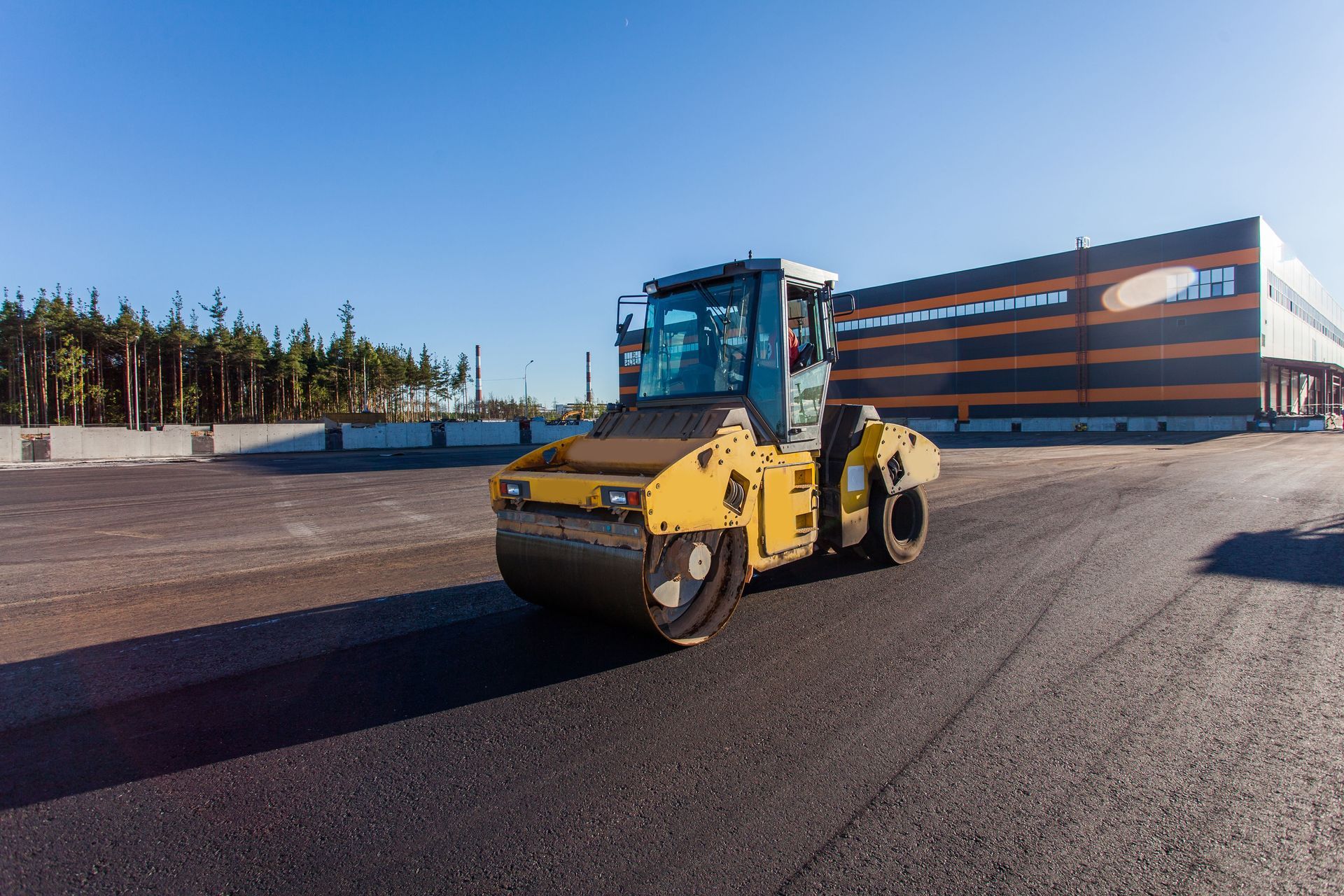
As soon as the paving machine lays down the hot mix, the compaction process must begin immediately. Heavy vibratory rollers are driven over the fresh surface to compress the aggregate and binder, removing air pockets and ensuring a dense, impenetrable finish. The weight of the rollers, combined with their vibrating action, forces the material tightly together. This step is what transforms the loose, hot mixture into a solid, durable roadway capable of withstanding industrial weights. Operators must make multiple passes over the surface, taking special care around edges, drains, and adjoining commercial concrete structures. Proper compaction is what prevents future issues like premature rutting, raveling, and structural failure. If the compaction is inadequate, the surface remains porous and susceptible to water infiltration. By meticulously rolling and compressing the pavement, the team guarantees that your commercial asphalt paving project yields a resilient, visually appealing surface that will last for years.
Applying the Finishing Touches
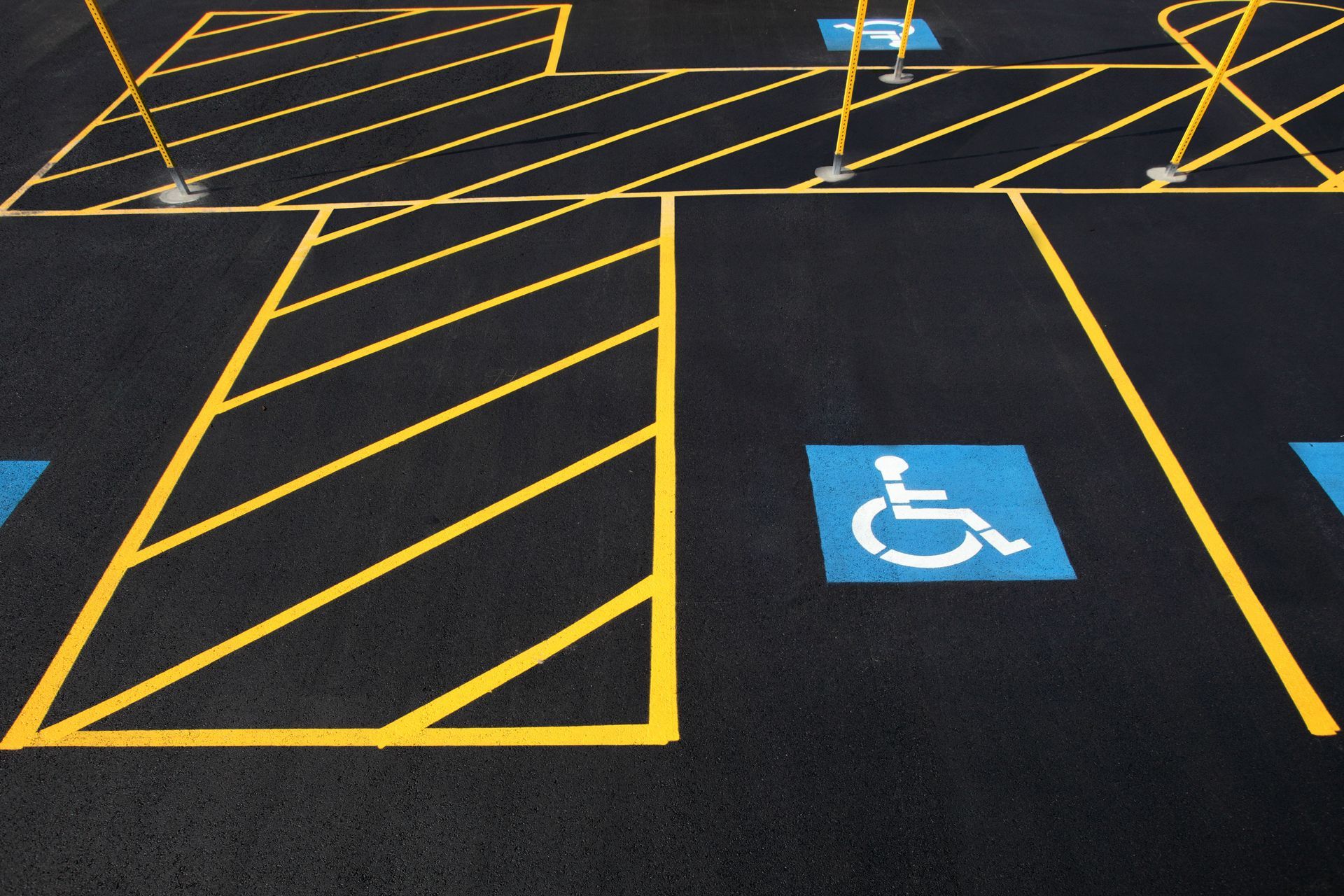
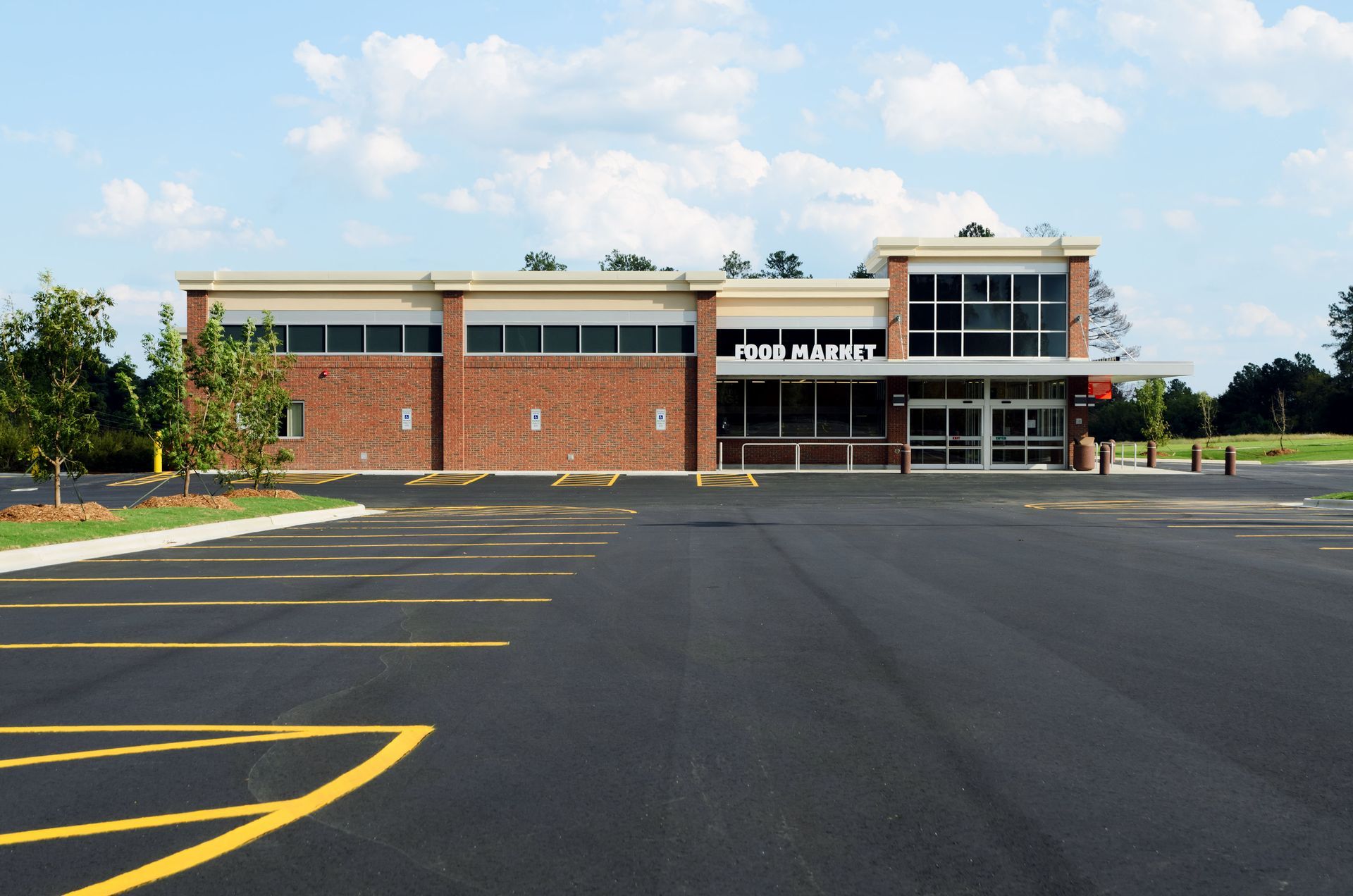
The pavement may be laid and compacted, but the project is not over yet. The final phase involves adding the functional touches that turn a massive stretch of blacktop into a usable, safe, and organized environment. Once the surface has cured sufficiently, the contractor will perform line striping to mark parking stalls, directional arrows, fire lanes, and accessible spaces. Bright, crisp line striping is essential for maximizing parking capacity and ensuring pedestrian safety. In the future, as part of your maintenance strategy, you will want to schedule periodic seal coating to protect the surface from UV rays, oil spills, and moisture. Routine upkeep, including crack repairs and sealing, will dramatically extend the lifespan of your investment. These finishing services provide the ultimate polish to your newly paved property. When the curing is done and the lines are painted, your commercial asphalt paving project is complete, leaving you with a flawless exterior.
Upgrading your business's exterior is a complex undertaking, but understanding the intricate steps makes the entire process much more manageable. From the initial site evaluation to the final coat of paint on your parking spaces, every phase requires absolute precision, heavy machinery, and technical expertise. By knowing exactly what to anticipate, you can properly prepare your staff and visitors, minimizing disruptions to your daily operations. A newly paved commercial lot significantly enhances the safety of your premises while simultaneously boosting your property’s aesthetic appeal and value. Regular preventative maintenance, such as seal coating and crack repairs and sealing, will ensure this pristine look lasts for many decades. When you are completely ready to transform your property with beautifully durable surfaces, reach out to the seasoned experts who can handle the job flawlessly from start to finish. For all your paving needs, rely on the professionals at Asphalt Solutions, Inc.
Share On: